Correct Fall to Drains
We lay silage pads with a consistent fall to collection channels so effluent and run-off drain cleanly to the sump instead of ponding across the feed surface.

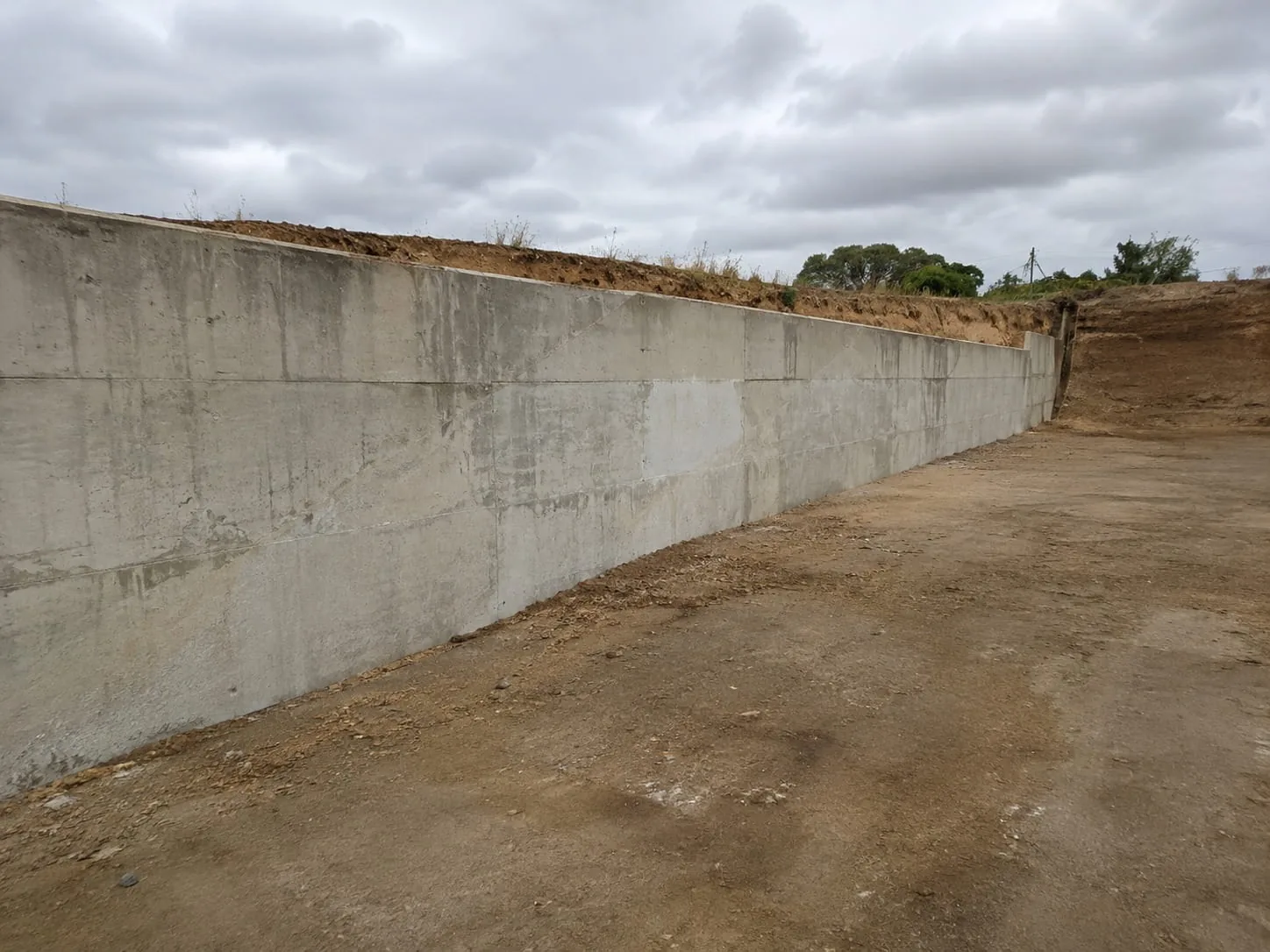
Concrete silage pads and bunkers
Concrete silage pads and bunker walls built for heavy loads, drainage and effluent control.
Clear scope. Clean result.
Concrete silage pads and bunkers in Auckland provide strong, clean and effluent-compliant storage for feed. We construct reinforced pads and walled bunkers designed for heavy machinery, compaction loads and effective drainage. Quality concrete and correct falls help preserve feed quality and manage runoff responsibly. We work with farmers and rural consultants to meet regulatory requirements and operational needs. Talk to us about silage pad construction on your property.
We lay silage pads with a consistent fall to collection channels so effluent and run-off drain cleanly to the sump instead of ponding across the feed surface.
The slab is poured with a dense, high-strength concrete chosen to resist the acids in silage and the constant grinding of loader buckets and tractor tyres.
We form robust precast or poured walls to contain the stack, letting you compact feed tightly and keep effluent-stained run-off away from your clean yards.
Control joints are cut and sealed to manage shrinkage and stop acidic liquor seeping beneath the pad and undermining the base over successive seasons.
Steel reinforcement and a generous slab thickness carry the point loads of fully laden loaders and trucks working the face day after day without cracking.
Perimeter channels and bunds capture the effluent leaving the pad and direct it to your storage, helping you stay comfortably inside regional council limits.
What shapes the price
No two sites price the same. These are the factors that move a concrete silage pads and bunkers quote most.
The square metres of pad and the falls needed to shed effluent set how much concrete is poured and how much shaping the subbase takes beforehand.
Precast or poured retaining walls that hold stacked silage add formwork, steel and height, so taller and longer bunker walls lift the build markedly.
Loaders and heavy trucks working the face need a thick, well reinforced slab, so the mesh layers and concrete depth specified move the cost.
Capturing silage leachate means channels, sumps and pipe runs feeding a holding tank, and that containment network adds to the base pad price.
Capability in context
Silage storage must be strong, clean and compliant. Our Auckland team builds reinforced concrete pads and walled bunkers designed for machinery loads, compaction and lateral pressure, with correct falls directing effluent to storage or treatment. Quality mix design, finishing and curing improve resistance to acidic silage juices and extend pad life. We work with farmers, consultants and councils to meet regional requirements, and we plan pad size and access around your machinery and feeding system. Contact us for a practical, durable silage solution suited to your farm.
Scope clarity
On silage work the quote spells out the pad slab and bunker walls we pour, while leachate connections get confirmed on their own.
Why choose us
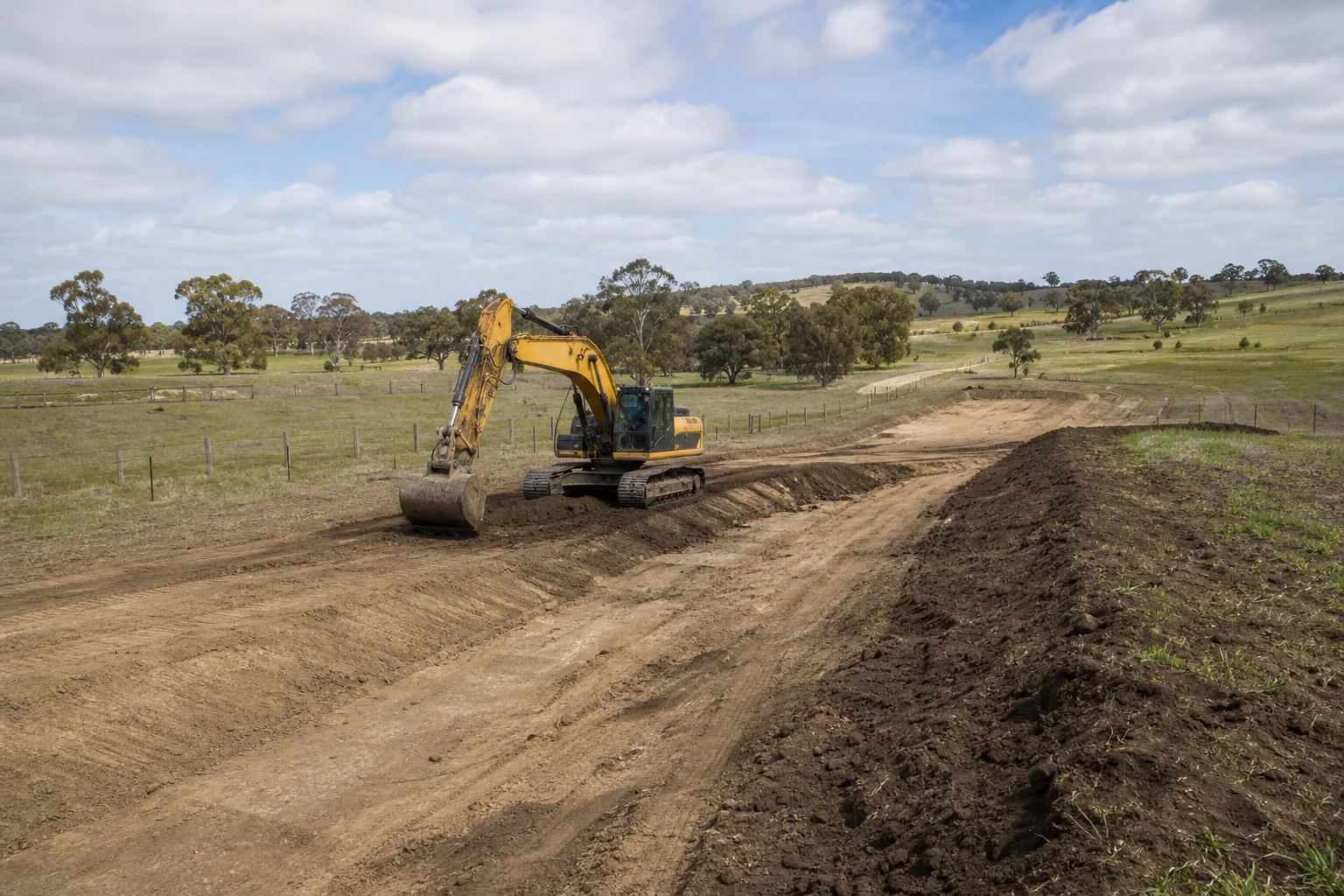
Concrete silage pads and bunker walls built for heavy loads, drainage and effluent control. Choosing the right team for concrete silage pads and bunkers comes down to detail: who sets the levels, who owns the finish, and who is actually on site when a decision needs making. We keep that in-house, so your concrete silage pads and bunkers is run by the people doing the work rather than passed down a chain of subcontractors who have never seen the ground.
From the first site visit through to final handover we keep your concrete silage pads and bunkers moving — plant matched to the access and volume, a written scope you can hold us to, and a crew that leaves the site clean and on levels. Typical work spans silage pads, bunker walls, feed storage and drainage channels, and every job is priced on what is actually there, not a rounded guess made from an office desk.
Before machinery arrives
A little preparation makes concrete silage pads and bunkers faster, safer and better value. Here is what helps most before our Auckland crew mobilises to site.
Let us know the access width, height limits and any gates or neighbours involved, so the plant for your concrete silage pads and bunkers arrives able to get to the work.
Plans, levels and any service information let us set the concrete silage pads and bunkers out accurately and dig or pour clear of what is already underground.
Decide early whether spoil from the concrete silage pads and bunkers stays on site, is spread, or is carted away — it changes both the method and the price.
Tell us about timing, trading hours, soft ground or anything else that affects the concrete silage pads and bunkers, and we build it into the programme up front.
Frequently Asked Questions
We service the Auckland metropolitan area and can assess regional or rural projects by arrangement. Add your location to the quote request and we will confirm availability.
That depends on the scope, access and information available. Straightforward work may be assessed from plans and photographs, while complex sites usually benefit from an inspection.
Requirements vary by council, property and project scope. Confirm the applicable building and resource consents before work begins; we can help identify questions to raise with the relevant authority.
The service range covers residential, rural, commercial and civil work. Final suitability depends on access, programme, plant requirements and the confirmed project scope.